Category: Blog

Your blog category

  • 7 Hidden Weapons in History You’ve Probably Never Heard Of

    7 Hidden Weapons in History You’ve Probably Never Heard Of

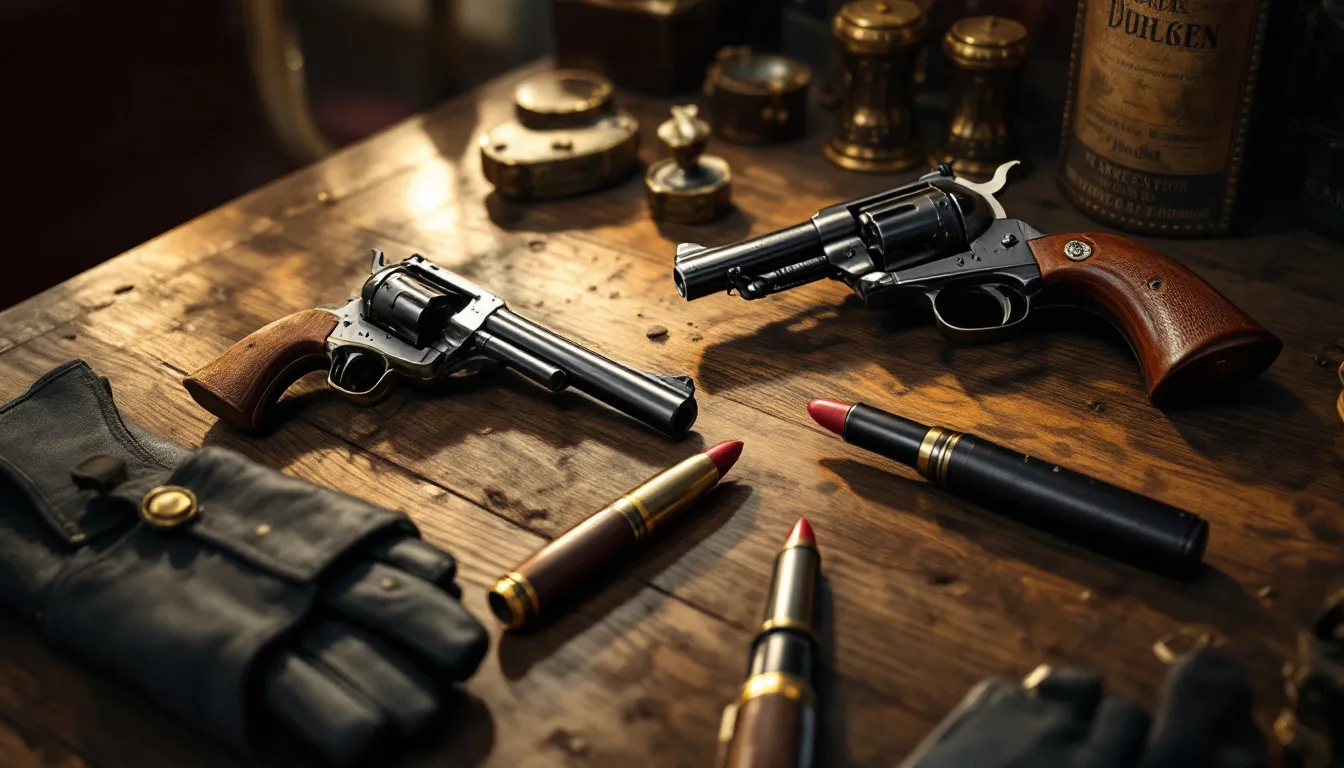
    From the assassin’s sleeve to the spy’s cigarette case, history is packed with strange, inventive weapons designed to deceive, surprise, or conceal. These tools weren’t always made for the battlefield—they were often crafted for espionage, escape, or moments when the element of surprise meant survival. Some were ingenious. Others were downright bizarre.

    Here are 7 obscure and fascinating hidden weapons you probably never knew existed:


    1. The Apache Revolver (France, Late 1800s)

    This terrifyingly creative piece was a knuckle duster, a folding knife, and a revolver—all in one. Designed by French gangsters known as “Les Apaches,” it had no barrel and could barely hit a target at a distance. But for up-close intimidation? Perfect.


    2. The Glove Gun (USA, WWII)

    Developed for the U.S. Navy during WWII, this single-shot .38 pistol was built into a leather glove. A metal plunger near the knuckles allowed the user to fire the weapon simply by making a fist and punching. Intended for close-quarters combat, especially during boarding missions.


    3. The Lipstick Pistol (KGB, Cold War)

    Nicknamed the “Kiss of Death,” this Cold War-era Soviet device looked exactly like a tube of lipstick. Inside was a single-shot 4.5mm weapon. Female spies could carry it undetected, adding deadly force to deception.


    4. The Cigarette Case Gun (Cold War)

    Also favored by KGB and Stasi agents, this was a functioning firearm disguised as a cigarette case. Some versions held small-caliber rounds and could be fired without opening the case. Compact and lethal for up-close eliminations.


    5. Belt Buckle Pistol (WWII, Germany)

    Designed by engineer Louis Marquis and commissioned by the SS, this weapon had four barrels concealed in a belt buckle. It could fire small rounds by pressing a hidden trigger—impractical, yes, but perfect for a desperate last shot in captivity.


    6. Pen Guns (Various Eras)

    Pen guns have existed since the 19th century and were often single-shot weapons capable of firing .22 or .25 caliber rounds. Many were disguised so well that they could pass undetected even under close scrutiny—until someone pulled the trigger.


    7. The Knife Pistol (19th Century to Today)

    These hybrids have been around for centuries. Often used by gamblers, outlaws, or prisoners, they blend melee and firearm functionality. Some look like pocket knives with a surprise bullet chamber; others resemble short swords with hidden barrels.


    Why These Weapons Mattered

    Each of these weapons emerged in a time and place where concealment was everything. They were often a last resort or a silent equalizer. While many were impractical in combat, they symbolized ingenuity, desperation, and the ever-evolving relationship between form and function in weapon design.


    Final Thoughts

    These aren’t the guns or blades you’ll find on standard collector walls—but maybe that’s the point. They challenge our ideas of what weapons can be and remind us that sometimes, the most dangerous tools are the ones you never see coming.
  • When Blades Meet Bullets: The Evolution of Concealed Hybrid Weapons

    When Blades Meet Bullets: The Evolution of Concealed Hybrid Weapons

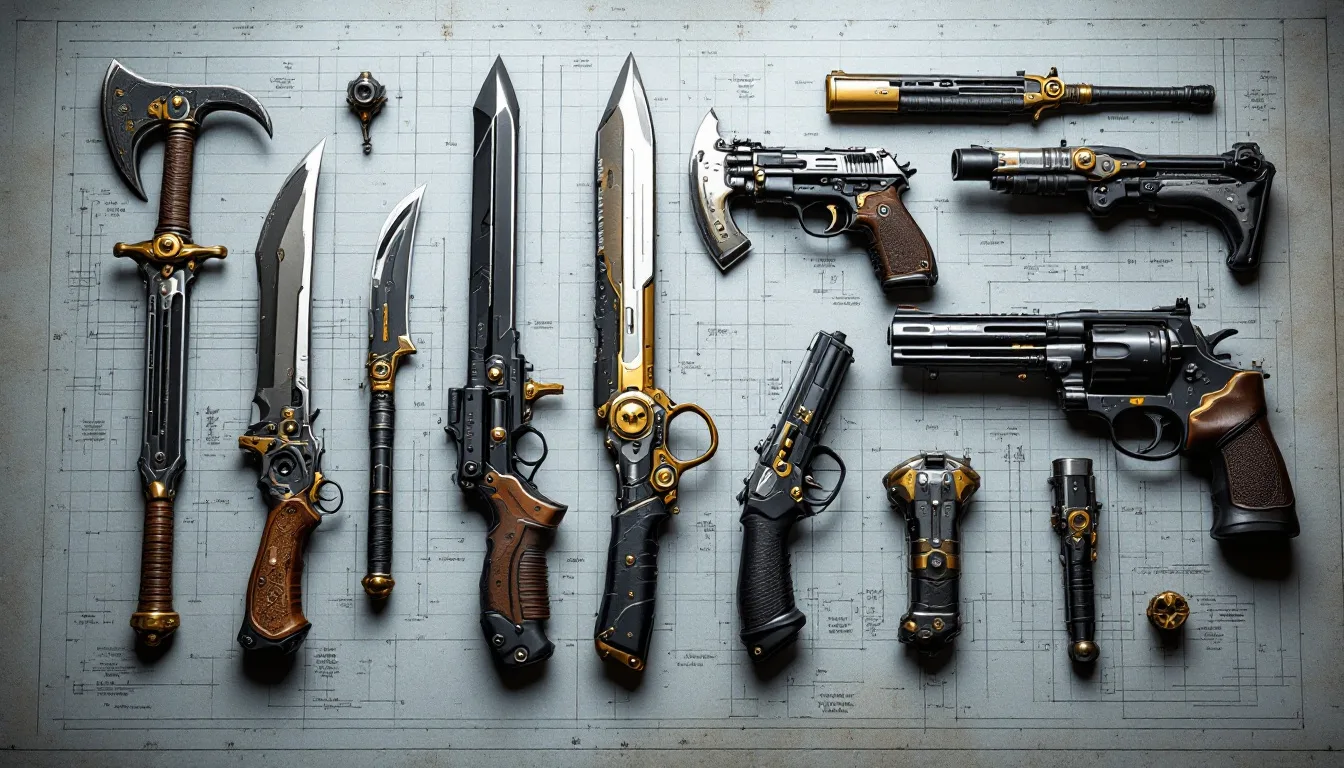
    Weapons have always been tools of survival, power, and ingenuity. But some of the most fascinating innovations arise when necessity demands compactness, stealth, and surprise. Enter the world of hybrid weapons—tools that combine cutting edges with the firepower of a gun. From ancient sword pistols to modern-day curiosities, these inventions reflect the strange genius of those who dared to ask: Why not both?


    A Brief History: The Early Mashups

    The earliest known hybrid weapons date back to the 16th and 17th centuries, when flintlock and wheellock pistols were mounted onto swords, axes, and daggers. These were mostly used by cavalrymen and adventurers who needed a one-handed solution for both ranged and melee combat.

    • Sword Pistols: Popular in Europe, these long blades housed single-shot flintlock mechanisms. They were heavy and often unreliable—but in close combat, they were better than nothing after the first shot.
    • Axe Pistols: Used in naval warfare, these brutal tools delivered both blunt trauma and a gunshot, ideal for boarding ships in confined quarters.

    19th Century: Victorian Curiosity and Self-Defense

    As firearms became more portable in the 1800s, inventors got creative. The industrial revolution brought precision manufacturing, and suddenly everyone wanted personal protection—discreetly.

    • Knives with Gun Barrels: Some fixed-blade knives had built-in pepperbox-style chambers. These were particularly popular in the American frontier.
    • Umbrella Guns and Sword Canes: Not quite blade-and-gun hybrids, but worth mentioning. These items often had single-shot firing mechanisms hidden in walking sticks or umbrellas—a gentleman’s last resort in dark alleys.

    World Wars: Concealment Meets Combat

    World War I and II brought an urgent need for unconventional warfare tools, especially for spies, special forces, and resistance fighters.

    • Commando Dagger Pistols: British SOE and OSS operatives were issued dagger-style weapons with hidden barrels or spring-loaded mechanisms.
    • Glove Guns & Belt Buckle Pistols: As seen in our earlier article, WWII-era innovations pushed hybrid weapon design into wearable form, blending fashion with firepower.

    Cold War & Espionage: Tools of the Trade

    The Cold War wasn’t fought in trenches but in shadows—and the weapons followed suit. While hybrid weapons like knife guns were rarely used in actual combat, they symbolized the constant chess game of outsmarting the enemy.

    • Spy Blades with Firearms: Soviet operatives carried folding knives with integrated small-caliber barrels. Their effectiveness was questionable, but their psychological edge was undeniable.
    • Concealed Tools for Escape: Some hybrid weapons included not just a blade and gun, but also lock picks, files, or even compasses for escape missions.

    Modern Takes: Collectibles, Curiosities & Functional Art

    In today’s world, hybrid weapons are less about combat and more about craftsmanship, collecting, and conversation. They often push the boundaries of engineering, blurring the line between weapon and art.

    • Tactical Knife Pistols: Rare, regulated, and often custom-made, these are precision tools for those who appreciate mechanical novelty.
    • Legal Challenges: Many modern hybrids fall into gray areas under firearm regulations (especially AOW—Any Other Weapon—classifications), making them both controversial and collectible.

    Why Hybrid Weapons Fascinate Us

    There’s something deeply captivating about weapons that do more than one thing. Maybe it’s the surprise factor, or the technical challenge of hiding a gun inside a knife. Or maybe it taps into something primal—the desire to be prepared for anything, even in the smallest package.

    Hybrid weapons represent not just clever mechanics, but a mindset: Be ready. Be adaptable. Think differently.


    Final Thoughts

    The evolution of hybrid weapons shows us that form can follow function in the most unexpected ways. These devices may not have changed the course of wars, but they tell stories—of inventors, spies, soldiers, and collectors. And in a world where design and defense often intersect, they remind us that creativity is just as powerful as firepower.

  • Collectors or Combat? The Psychology Behind Owning Unusual Firearms

    Collectors or Combat? The Psychology Behind Owning Unusual Firearms

    Why would someone choose a revolver hidden in a knife, a pen that fires bullets, or a belt buckle that conceals a gun? For some, it’s about rarity. For others, it’s about readiness. But beneath the steel and polish lies something deeper—a mindset, a personal philosophy, a story.

    This article explores the psychology behind owning unconventional weapons and why they hold such a powerful grip on the minds of collectors, enthusiasts, and even casual fans.


    1. The Power of the Rare

    Humans are hardwired to seek uniqueness. In the world of firearms, that means gravitating toward weapons that stand out—not just for their function, but for their story.

    • Unusual firearms like hybrid weapons or oddball prototypes become symbols of rarity.
    • Collectors aren’t just buying a gun—they’re preserving a piece of engineering history, often limited in production and steeped in secrecy.

    Psychological Insight: Rarity creates a sense of identity. Owning something few others have gives the collector a unique place in the community—and in their own narrative.


    2. The Allure of the Hidden

    There’s something undeniably captivating about concealed weapons. The idea that danger can be disguised as something ordinary taps into our fascination with duality—appearance vs. reality.

    • A gun in a pen, a blade in a belt, or a firearm hidden in a knife—these objects tease the brain.
    • They invite curiosity: How does it work? Could I use it? Would anyone suspect?

    Psychological Insight: Concealed weapons trigger the imagination. They make us feel clever, unpredictable—like we hold a secret no one else knows.


    3. Function Meets Fantasy

    Let’s face it: hybrid or oddball firearms feel like something out of a spy novel or post-apocalyptic movie. And that’s part of the appeal.

    • From James Bond to Mad Max, pop culture fuels our desire for tools that do more than one thing.
    • Owning a “real-life version” of a cinematic weapon scratches an itch that’s part nostalgia, part empowerment.

    Psychological Insight: These weapons blur reality and fiction, allowing owners to play out fantasy narratives in a tangible, functional form.


    4. Preparedness vs. Collecting

    Not every owner of an unusual firearm is a collector. For some, it’s about utility—having a multi-function weapon for survival, self-defense, or emergency scenarios.

    • Hunters and adventurers may seek compact weapons that save space or combine tools.
    • Others want backup systems—something to fall back on if conventional options fail.

    Psychological Insight: For these owners, the appeal is practical. But underneath, there’s often a deep-rooted desire for control—being ready, no matter the situation.


    5. Expression Through Arsenal

    For many firearm owners, guns are personal. They reflect values, identity, even creativity.

    • Unusual firearms act like art pieces—designed to provoke thought and admiration.
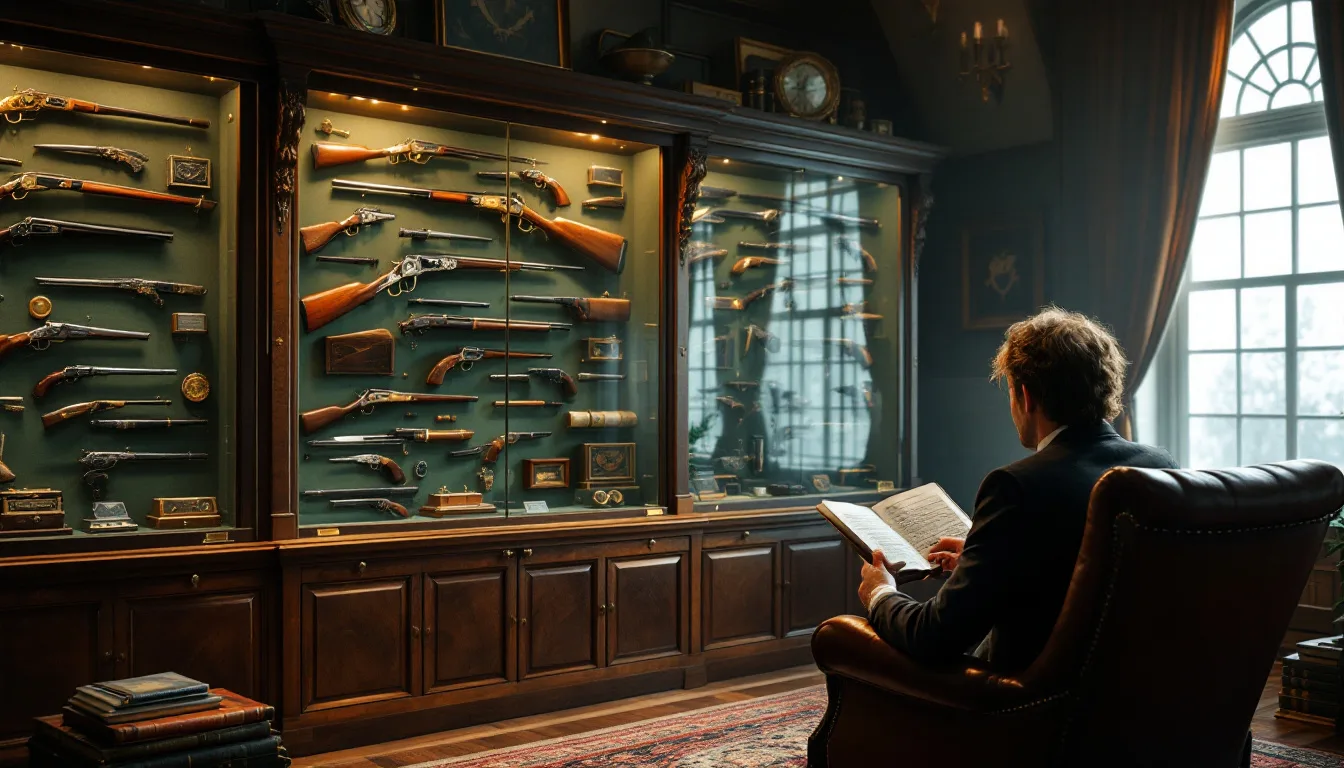
    • Some owners proudly display their collections, not to intimidate, but to tell a story.

    Psychological Insight: People express themselves through their tools. A rare or hybrid weapon says, “I see things differently. I value innovation, and I’m not afraid to stand out.”


    Final Thoughts: It’s Not Just About Firepower

    The psychology of owning unusual firearms goes far beyond ballistics. It’s about identity, imagination, ingenuity, and instinct. These weapons are often less about combat, and more about curiosity—serving as windows into the minds of those who collect them, carry them, or simply admire their design.

    So whether it’s for history, preparedness, or personal expression, owning an unconventional firearm means owning something more than metal. It’s about owning a perspective.